UFC kingmaker Dana White’s journey to promoting Canelo Alvarez vs Terence Crawford began with $2,500 mob threat




Dana White promotes one of the biggest fights in boxing history this weekend.
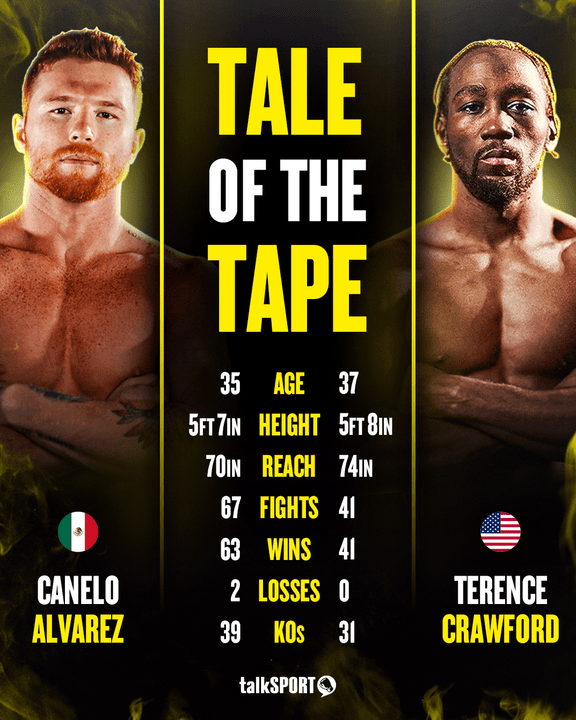
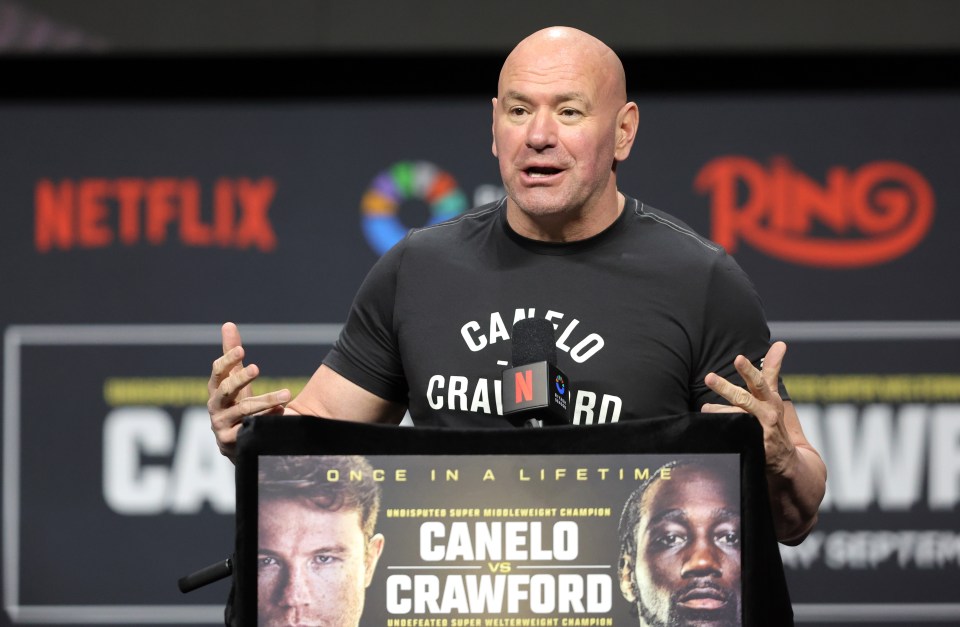
The UFC CEO officially enters the boxing fray on the grandest stage of them all, as Canelo Alvarez takes on Terence Crawford in what has been billed by many as the 'Fight of the Century.'
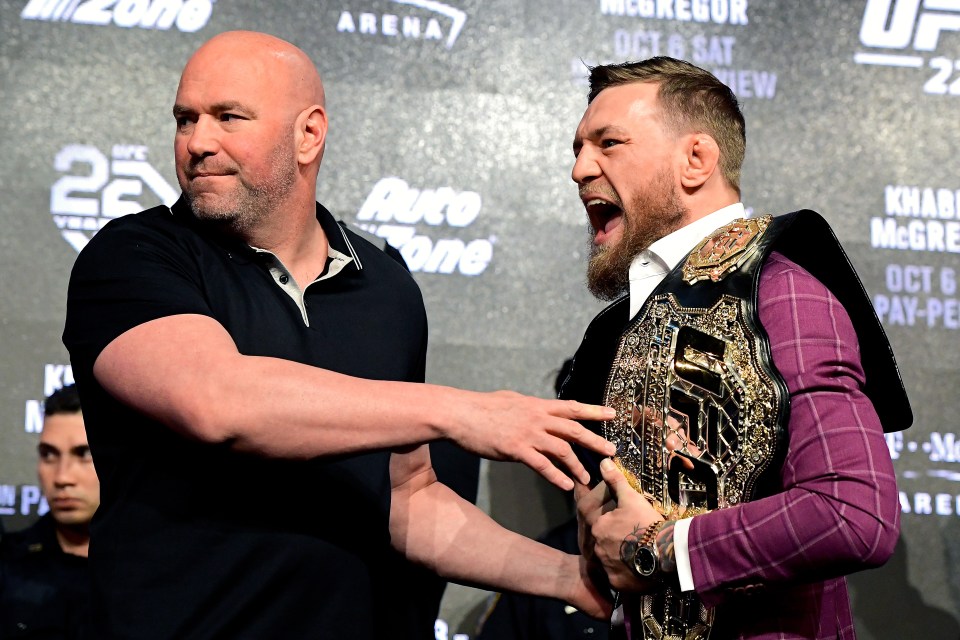
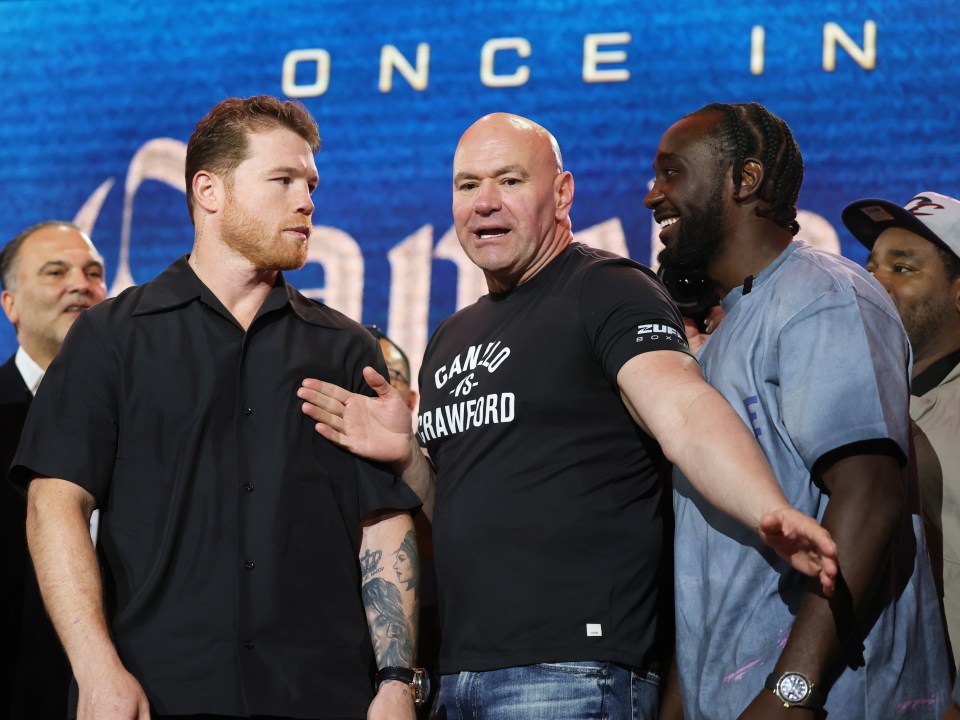
The 56-year-old's involvement with the blockbuster bout signals the start of a new era, just six months after he announced the launch of new promotion Zuffa Boxing, alongside Saudi powerbroker Turki Alalshikh.
The mega-fight at super-middleweight between Canelo and Crawford, which takes place at Las Vegas' 65,000-seat Allegiant Stadium, is the first major domino to fall in White's ambitious plan to take the boxing world by storm.
However, his involvement in an event of this magnitude inside the squared circle has been over 35 years in the making that took him from South Boston to Las Vegas where he went to school and then back to Boston.
His journey to one of combat sports' most powerful men began in a small south Boston boxing gym situated beneath the neighbourhood's Municipal Courthouse.
"There was a time and a day when the only thing I cared about was boxing," White said on the Joe Rogan Experience in 2013.
Growing up, boxing was White's first love, as he competed in the amateur ranks with early ambitions of turning professional in the sport.
But his mindset was changed completely by a local boxer, who one day showed up to his gym looking 'f***ed up.'
White thought, 'What if that happens to me?' and knew right then his dreams of becoming a fighter would have to change.
So, he pivoted, deciding the next best thing was to teach boxing instead, ultimately marking the start of a journey that took him to where he is today.
White's business model was based on the opposite of his own experiences as a young man in South Boston: learn how to box without getting your head punched in.
He joined forces with Peter Welch, a respected local boxing figure, to form the 'Get Kids off the Street' programme.
South Boston remained largely segregated in the late 1980s, so White and Welch brought in young people from the inner city to teach them the art of the sweet science.
They set up shop under the Southie courthouse, but struggled early on with making enough money to run it as a profitable business rather than a charity.
To pay the bills, White trained local business people and housewives and wound up personal training in health clubs around the neighbourhood.
Teaching at the Boston Athletic Club one day, White had an interaction that prompted a life-changing career moment.
He was approached by people involved with the South Boston crime world, where Irish mob boss James 'Whitey' Bulger, alongside associates like Kevin Weeks, ran the streets with a series of rackets, including arms trafficking and extortion.
"One day, I am in there teaching, and these guys literally walk right into the middle of the class," White told Graham Bensinger in 2016.
“They said, ‘We need to talk to you’. I was teaching a class. I’m thinking, ‘Do these guys own the club or something?’
“I leave, go out and start talking to them, and they ask me if I know who they are, and I didn’t, but it wasn’t Whitey – it was Kevin Weeks.
“That was it; they wanted some money, and they walked away that day, and I was thinking, ‘I don’t even want to know these guys’.
Bulger, played by Johnny Depp in the 2015 film Black Mass, was a feared man during those days in Southie, so White knew he wanted no involvement with him whatsoever.
"Listen, you would have to be brain-dead to pick a fight with these guys," he added.
So, when he got a phone call in his apartment a few days later demanding $2,500, White knew there was one thing he needed to do.
“They basically told me, ‘We want the money,’ and I said, ‘I don’t have the money,'" White explained.
"It was $2,500, which was like $25,000 to me in those days. They said, ‘Get it from your girlfriend or get it from somebody, you have until tomorrow at one o’clock.’ That was a Sunday.
“I thought nothing good was going to happen. So literally, that day, I bought a plane ticket and came back to Vegas.”
White continued in the fight game after moving back to Las Vegas where he had moved to as a ten-year-old with his mum years before, working as a manager for rising MMA stars like Tito Ortiz and Chuck Liddell.
In the early 2000s, he was notified that the UFC, then on the verge of collapse, was looking for a new buyer.
He contacted school friend Lorenzo Fertitta, who, alongside his older brother Frank, bought the company for $2million, immediately naming White as president.
What followed was one of the most remarkable sporting rises in history.

Over the next 15 years, the UFC was the home of some of combat sports' most iconic moments, from Forrest Griffin's bloodfest with Stephan Bonnar in The Ultimate Fighter finale in 2005, to Jon Jones becoming the youngest UFC champion at just 23, and the rise of global superstars like Conor McGregor.
The company was sold for an astounding $4billion in 2016, with White remaining on board and securing a deal that guaranteed him nine per cent of all future profits.
Today, the UFC consists of modern trailblazers like Ilia Topuria and Tom Aspinall, having just cemented its status as one of the biggest sporting organisations in the world through a $7.7billion broadcast deal with Paramount.
But while White has his hands full on the mixed martial arts side of things, he's now ready to set the boxing world alight.
He has been front and centre for Canelo vs Crawford and says he's here to stay, with Zuffa Boxing expected to play a major role in the sport's future.
Yet, none of it may have happened if Bulger's gang had never picked up the phone and made their threat, unknowingly setting White on a journey to become one of the most influential people in combat sports.